Is Getting A Dental Crown Painful Or Uncomfortable?
If your dentist just told you that you need a dental crown, your mind probably went straight to the scary stuff. You are likely asking yourself: Is this going to hurt? How uncomfortable is it really going to be? These are totally normal things to wonder about. At SmileCare Dental, we know most people feel at least a little nervous when they hear they need restorative work done, and that feeling of not knowing exactly what is coming is often the worst part of the experience.
Here is the good news.
Modern dentistry has changed a lot, and getting a crown is a standard, routine procedure that we perform all the time. While it is a real procedure, it really does not have to be painful or a big source of stress. Let’s break down exactly what happens in the chair so you know what to look forward to during your visit.
What Exactly Is a Dental Crown?
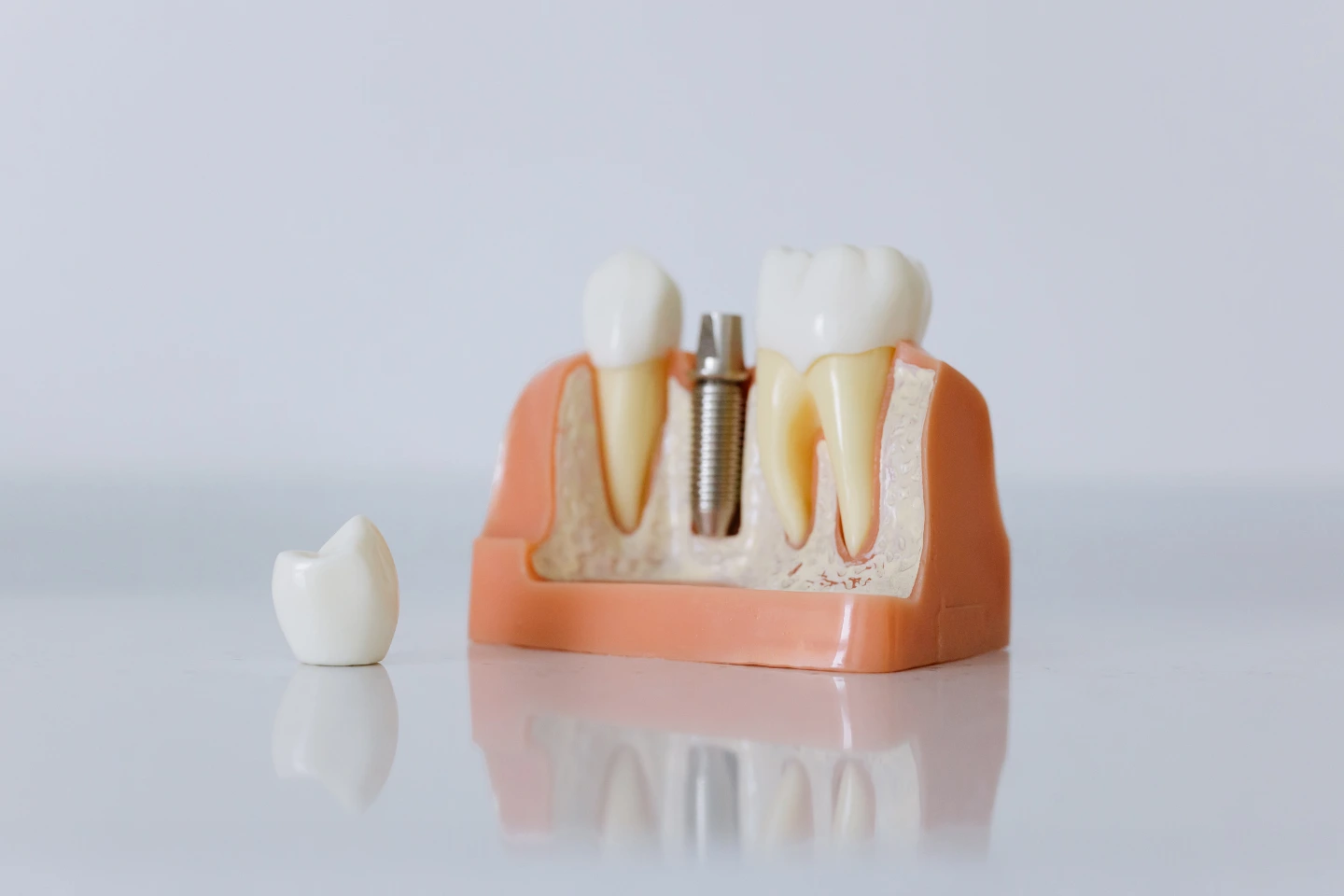
Before worrying about the work, it helps to picture what a crown actually is. Basically, it is a custom made cap that sits over a damaged tooth. Think of it like a helmet for a tooth that has taken some hits maybe from a big crack, serious decay, or a filling that just gave up. The dental crown covers the whole visible part of the tooth, giving it the strength it needs to chew properly and protecting whatever structure is left underneath. It keeps you from losing the tooth entirely, which is the main goal.
Will It Actually Hurt?
Most people are shocked by how easy the process turns out to be. It is not like the horror stories people tell from decades ago. Dentists have some pretty effective ways to make sure you are not feeling pain while they work.
Numbing Things Up
This is the big one. Before the dentist does a single thing to your tooth, they will make sure the area is completely numb using local anesthesia. Yes, there is a needle involved, but most dentists use a topical numbing gel first. That gel is great because it dulls the surface of your gums so you barely feel the prick of the injection. Once the medicine sets in, you might feel some pushing or vibration, but you shouldn't feel anything sharp or painful. If you ever feel like you are not numb enough, just raise your hand. Your dentist will stop immediately and add more it is your mouth, and you are in the driver’s seat.
Breaking Down the Appointment
You usually need two visits. The first one is where the dentist shapes the tooth. They take off a very thin layer of enamel to make room for the crown to slide on perfectly. Because of the numbing, you won’t feel the shaping. Afterward, they will either take a physical mold or use a digital scanner to get a map of your mouth. The lab uses this to build your permanent crown. You will walk out of the office with a temporary crown, which acts like a protective shield for your tooth until the final one is ready.
The second trip is much faster. They pop off the temporary, clean up the tooth, and bond the permanent crown into place. Usually, this takes almost no time, and for most people, you do not even need numbing for this part.
Dealing With Sensitivity Later
Even if the procedure itself is pain free, it is normal to be a little sensitive once the numbing wears off. Your gums might be a bit angry, and the tooth itself might be annoyed by hot or cold drinks for a few days. This is just your mouth getting used to having a new neighbor. If it bothers you, a standard over the counter pain reliever usually does the trick perfectly. Just tell your dentist if you know you are super sensitive so they can watch out for that.
Finding the Right Care Matters
The outcome depends a lot on the dentist. If you are looking for dental crowns Annandale VA, take your time picking a practice. You want someone who takes a minute to chat with you, explains what they are doing, and makes sure you are calm. A great dentist isn't just looking at the tooth; they are looking at you. They should check your bite, make sure the crown sits exactly right, and ensure you feel good before you walk out the door. It is about making sure you can forget about the tooth once the work is done.
How to Stay Chill in the Chair
If you are still shaking in your boots, that is okay. Here are a few tricks that make a huge difference:
- Just Talk About It: Don't hold it in. Tell your dentist you are nervous. They hear this all day and will usually be extra patient and explain every sound or movement.
- Bring Your Own Entertainment: Seriously, bring your headphones. Listening to a playlist or an audiobook is the best way to block out the sounds of the dental office.
- The Power of a Break: Tell your dentist that you need a signal, like a hand raise, to pause. Knowing you have the "off" switch helps more than you might think.
- Keep Your Eyes on the Prize: Just remember why you are here. Saving the tooth is always better than the alternative.
Taking Care of Your New Dental Crown
Your new crown isn't bulletproof. You have to treat it like a natural tooth. Keep brushing and flossing around it every day. Even if the crown cannot get a cavity, the edge where the crown touches your gum line is still a magnet for bacteria. Stick to your usual routine to keep things clean.
If you have questions about your treatment plan or are ready to schedule your procedure, please contact SmileCare Dental today. We are here to ensure your experience is comfortable, efficient, and tailored to your needs.
Frequently Asked Questions
Q: Is the numbing shot painful?
A: Most people say it is just a tiny pinch. The numbing gel makes a world of difference.
Q: Is the crown going to look fake?
A: You might notice it for a day or two because your tongue is used to the old tooth shape, but it quickly starts to feel like just another one of your teeth.
Q: How long does the prep visit take?
A: Plan for an hour or two. It gives the dentist time to be careful and precise.
Q: What if I have a terrible gag reflex?
A: Tell your dentist. They have ways around it, and many offices now use digital scanners that don't involve those goopy trays.
Q: Can I drive after the appointment?
A: Yes, you are usually fine to drive home since you are only getting local numbing.
Q: Will it last forever?
A: While there is no way to predict the future, a well made crown can last for a long time if you brush, floss, and show up for your checkups.
Q: Are there foods I should stop eating?
A: Be gentle with the temporary crown no sticky gum or super hard candy. Once the permanent one is on, you can get back to normal, just use common sense with hard items.


Office Hours
Monday–Thursday: 7:00 AM - 4:00 PM
Friday: 8:00 AM - 4:00 PM
Saturday: By Appointments Only
Sunday: Closed


SmileCare Dental provides complete family, cosmetic, and implant dentistry in Annandale, VA, using advanced technology and personalized care to ensure healthy, confident smiles for every patient.


© 2025 SmileCare Dental | All Rights Reserved | Privacy Policy | Digital Marketing by Remedo