How Often Should Dentures Be Replaced Or Relined?
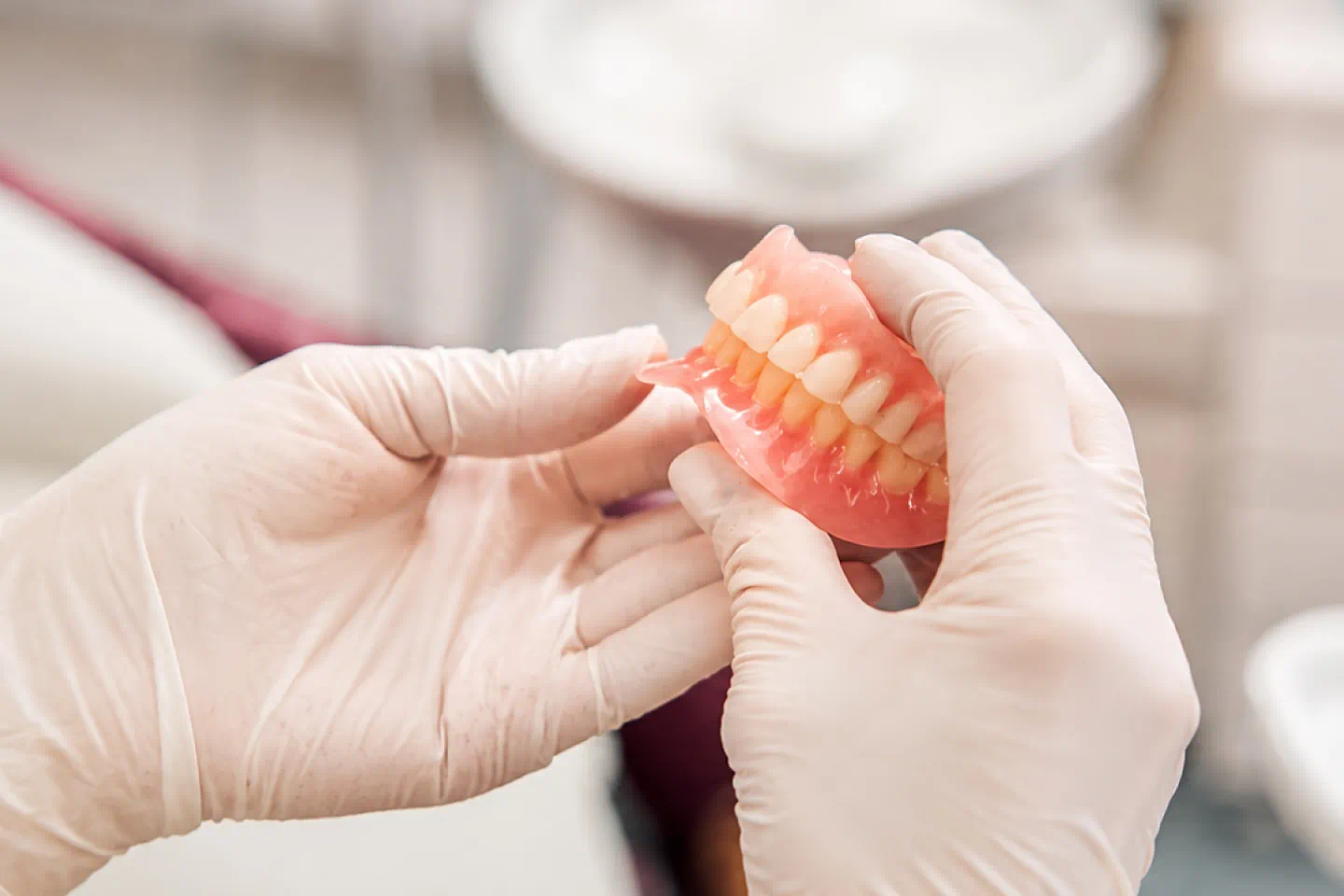
For many, wearing dentures is just a normal part of life. It helps with eating, speaking, and feeling confident when you smile. But because these are man-made appliances, they do not last forever. Your mouth actually changes shape a little bit every year, and your dentures need to stay in sync with those shifts. If you're starting to wonder if it's time for a checkup, you're definitely not alone; at SmileCare Dental, we emphasize that keeping up with a regular maintenance schedule is a huge piece of the puzzle when it comes to long-term oral health.
Why Do Dentures Need Adjustments?
Think of your jawbone and gum tissue as living, changing parts of your body. When you lose natural teeth, the bone underneath does not have the same stimulation, so it tends to shrink over time. Since your dentures were built to match the exact shape of your mouth at the time they were made, they can naturally start to feel loose or start poking at your gums as those underlying structures change.
Wearing a set that does not fit right is more than just a nuisance. When eating becomes a chore, it can lead to painful sore spots, constant inflammation, and even changes to your diet because you are avoiding things that are hard to chew. Your mouth is a sensitive area, and even tiny shifts in your gum shape can cause your appliance to slip or rub against your tissue. This is not a sign that your dentures are bad quality. It is just the natural reality of how the human mouth evolves.
Relining Versus Replacing
When your dentures stop fitting like they used to, your dentist will usually talk to you about two main options: a reline or a full replacement. It is useful to know why one might be a better choice for your specific situation.
The Denture Reline
A reline is basically a way to get back that "like new" fit. Your dentist takes the underside of the existing denture and reshapes it to match your current gum contours. It is a great way to stabilize the appliance without having to start completely from scratch. Have your dentures evaluated during your regular dental checkups. Some patients may benefit from a reline every few years, depending on changes in their mouth and the condition of their dentures. Think of it as a quick tune up. It is a very practical way to get comfortable again when the denture base itself is still in good shape, but the fit has drifted.
The Full Replacement
While a reline fixes the fit, it cannot do much for the wear and tear on the device itself. Over the years, the base material can get weaker, and the artificial teeth can wear down. Generally, most people find they need a full replacement every five to ten years. Once you hit that point, the structural integrity often starts to fade, and a new set may help improve comfort, fit, appearance, and function. Plus, a new set gives you the chance to reset your bite and alignment if things have shifted.
Signs You Need a Visit
You do not have to wait for a reminder in the mail to know something is off. Your mouth will often tell you when it is time to see a professional. Look out for these cues:
- Slipping: If your dentures seem to move or shift while you are talking, eating, or laughing, the fit has likely changed.
- Constant Discomfort: New sore spots, redness, or ulcers are classic signs that the denture is rubbing you the wrong way.
- Speech Changes: If you find yourself struggling to say words that used to be easy, or if chewing feels different, the alignment might be off.
- Damage: Any cracks, chips, or warping are clear signs that it is time for a professional exam.
- Lingering Odors: Sometimes, tiny hairline cracks in older dentures trap bacteria, which can contribute to bad breath even if you are cleaning them well.
- Using More Adhesive: If you find you are reaching for the denture cream much more often than when you first got them, it is a strong sign the fit is no longer what it should be.
Daily Habits for Your Dentures
While your dentist handles the technical adjustments, your daily routine has a huge impact on how long your dentures last. Being consistent is the best way to protect your oral health.
- Daily Cleaning: Use a soft bristled brush and a non abrasive denture cleaner to scrub away food and plaque. Avoid regular toothpaste, as it is often too gritty and can scratch the surface of the denture.
- Be Careful: When you are cleaning them, try holding them over a folded towel or a sink full of water. If they slip out of your hands, that little bit of cushion can help reduce the risk of damage.
- Keep Them Moist: Dentures need to stay hydrated to keep their shape. When you are not wearing them, make sure they are sitting in water or a soaking solution, just as your dentist recommends.
- Do Not Ignore Your Mouth: Even if you wear full dentures, you still need to brush your gums, tongue, and the roof of your mouth. It helps keep your oral tissues healthy and supports good circulation.
Why Regular Checkups Matter
Beyond checking the fit, regular visits are vital for your general health. During your exam, your dentist can look for signs of oral cancer, evaluate your gums, and catch little issues before they turn into bigger concerns. These appointments are about more than just your teeth. They are about your total wellness.
The Role of Restorative Dentistry
Restorative dentistry is always improving. If your dentures feel more like a burden than a help, it is time to have a chat with your dentist. Whether you need a quick adjustment, a reline, or want to look into options like implant supported dentures, there are many options available that may improve your comfort and quality of life. For many patients, implant supported dentures may provide improved stability and can help support the jawbone. Taking the time to talk through your options helps ensure you are making the right decision for your lifestyle, budget, and long term comfort.
Keeping Your Dentures Comfortable and Secure
If your dentures are starting to feel loose, uncomfortable, or simply aren't performing the way they used to, it’s important not to ignore the signs. Living with a poor fit can lead to gum irritation, difficulty eating, and even unnecessary stress during your daily routine. You don’t have to settle for discomfort; minor adjustments can make a world of difference in how your smile feels and functions.
Contact SmileCare Dental today to schedule a professional evaluation. Our dedicated team will carefully assess the fit of your current appliance, answer any questions you may have, and help you determine whether a professional reline or a new set of custom dentures is the right path forward. We are committed to getting you back to comfortable, confident eating and smiling as soon as possible.
Frequently Asked Questions
Q: Do dentures have an expiration date?
A: There is not a hard and fast date, but they definitely have a lifespan. Most people need a replacement every five to ten years because of natural wear and changes in the shape of their mouth.
Q: Can I use hot water to clean them?
A: Please do not. Hot or boiling water can warp the material and ruin the fit. Always stick to cool or lukewarm water.
Q: How often should I see my dentist?
A: Once a year is the standard recommendation, although your dentist may suggest more frequent visits based on your individual oral health needs.
Q: Is it normal for my gums to be sore after a few years?
A: Usually, that is your mouth telling you the fit has changed. It is a very common sign that you may need an adjustment or a reline.
Q: Can I use superglue to fix a crack?
A: Never. Household glues are not intended for use inside the mouth and may damage your dentures. They can also make professional repairs more difficult.
Q: Will my diet need to change?
A: Most people can eat a wide variety of foods, but it is always smart to be careful with foods that are extremely hard or sticky. If you have concerns about eating comfortably, ask your dentist for personalized guidance.


Office Hours
Monday–Thursday: 7:00 AM - 4:00 PM
Friday: 8:00 AM - 4:00 PM
Saturday: By Appointments Only
Sunday: Closed


SmileCare Dental provides complete family, cosmetic, and implant dentistry in Annandale, VA, using advanced technology and personalized care to ensure healthy, confident smiles for every patient.


© 2025 SmileCare Dental | All Rights Reserved | Privacy Policy | Digital Marketing by Remedo