5 Everyday Habits That Can Damage Your Dental Crown
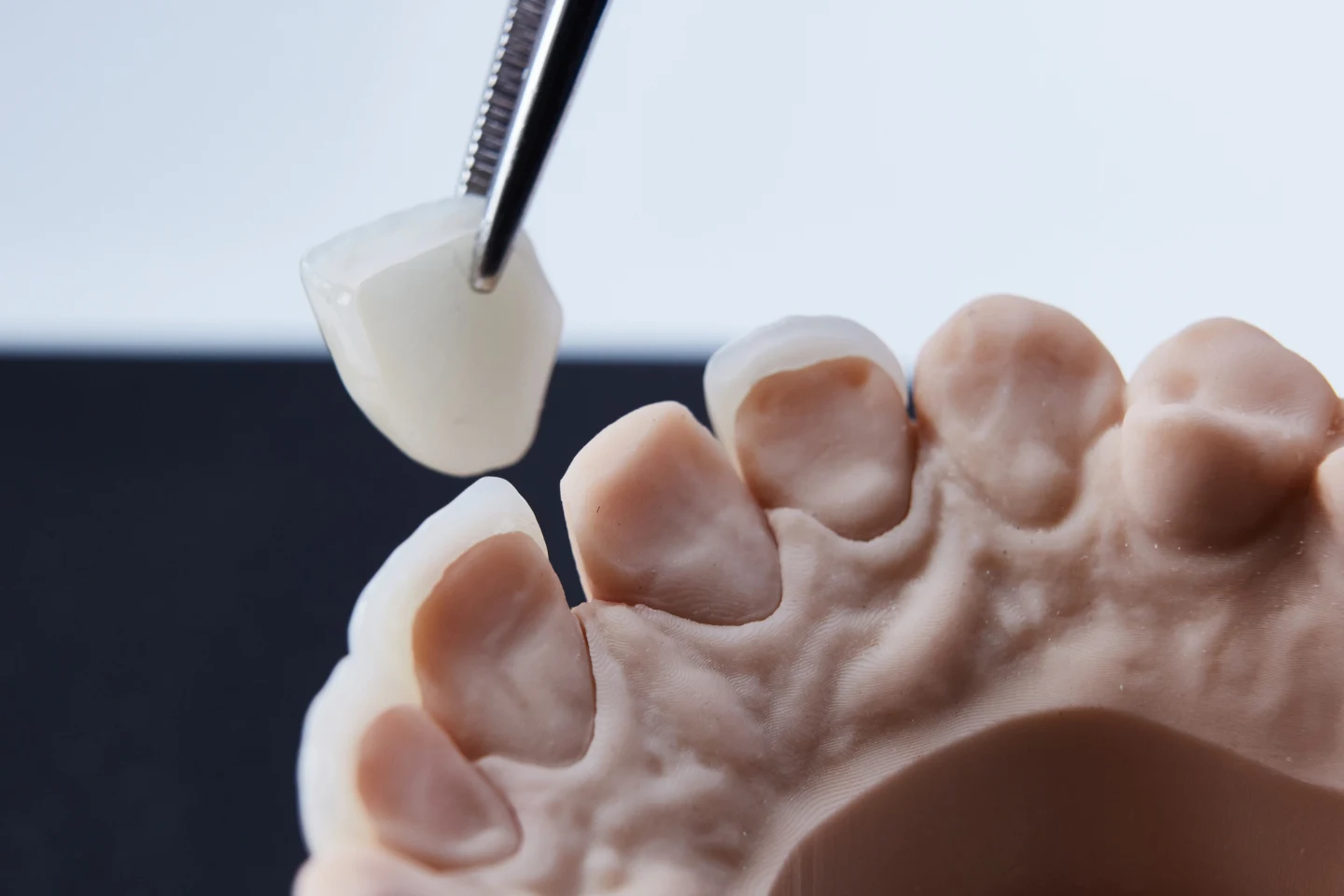
Getting a dental crown is a bit like getting a new set of tires. Built to handle daily wear. But how you treat them determines how long they actually last. Some patients baby their crown for the first few weeks and then fall right back into old routines, like chewing ice or grinding their teeth at night. Others treat the crown exactly the way they treated their natural tooth from day one. Sounds harmless. It can actually shorten its lifespan by years.
Here's the thing: the difference between a crown that lasts a decade and one that needs replacing after eighteen months usually comes down to habits, not the material itself. At SmileCare Dental, we talk with patients regularly about what's actually damaging their restorations versus what's just normal wear and tear. This piece breaks down five habits worth reconsidering (and what to do instead).
Chewing Ice: Harmless Habit or Silent Crown Killer?
Chewing ice feels satisfying, especially on a hot day. But it's one of the more common reasons crowns chip or crack. Natural teeth have a small amount of flexibility built into how they sit in the jaw. A crown, especially one made of porcelain or ceramic, doesn't bend. It's rigid by design, which means repeated force from biting down on ice has nowhere to go except into the crown itself.
- Ice chewing creates sudden, sharp pressure that porcelain crowns aren't built to absorb
- Cracks may start small and invisible, then worsen over weeks or months
- Even metal or zirconia crowns can loosen at the margin from repeated impact
Compare this to drinking a cold beverage without the ice. Tooth and crown stay intact. No repetitive stress, no risk. The habit itself is optional. The damage isn't.
Is Nighttime Teeth Grinding Worse for Crowns than Natural Teeth?
Bruxism, or grinding your teeth at night, affects natural teeth and crowns differently, and that difference matters. Natural enamel wears down gradually and somewhat evenly. A crown, on the other hand, often takes concentrated pressure at one specific point, usually where it meets the opposing tooth. Over months of grinding, that concentrated force can fracture the crown or wear through it at a single weak spot.
What Actually Helps
A nightguard is the most practical fix here. It's a small appliance, but it changes the entire equation by spreading out the force instead of letting it pile up on the crown. Patients who wear one consistently tend to see their crowns last significantly longer than patients who skip it, even when the grinding itself is just as intense.
Opening Packages with Your Teeth: Convenient Now, Costly Later
This one is common enough that most dentists have a story about it. Using your teeth as a tool, tearing open a bag of chips, ripping a tag off clothing, twisting a bottle cap, puts sideways and twisting force on a crown that it just wasn't built to handle. Biting straight down is one thing. Twisting or prying is another entirely.
- Twisting motions can loosen the cement holding a crown in place
- Sharp package edges can chip porcelain on contact
- Repeated use of front teeth as tools wears down the crown's edge over time
Compare that outcome to simply grabbing scissors instead. Thirty extra seconds versus a chipped crown and an unplanned dental visit. The math tends to work out in favor of the scissors.
Does Nail Biting Really Affect Dental Crowns?
Nail biting doesn't get talked about as much as grinding or ice chewing, but it causes a similar kind of stress. The motion involves repeated, low level pressure combined with a slight prying or scraping action, often concentrated on one or two front teeth. If a crown sits on one of those teeth, it takes the brunt of it.
Unlike grinding, which usually happens at night and can be managed with a nightguard, nail biting is a daytime habit that's harder to catch in the moment. Sound familiar? Most patients don't even notice they're doing it until someone points it out.
A Practical Way to Compare
Think of nail biting like sanding a small patch of wood with light pressure, day after day. It doesn't take much force to eventually wear down a surface if it's repeated often enough. A crown can handle occasional pressure just fine. Constant, repetitive contact from nail biting adds up faster than most people expect.
Are Sticky and Hard Foods Really That Bad for a Crown?
Caramel, taffy, hard candy, even certain nuts, create two different but equally frustrating problems for a crown. Sticky foods pull at the crown with force when you bite down and then try to separate your teeth, sometimes enough to loosen the cement seal underneath. Hard foods create the same kind of sudden impact that ice does.
- Sticky candies can pull a crown loose at the margin over repeated exposure
- Hard foods like unpopped popcorn kernels or hard candy can crack porcelain
- Nuts and seeds with small hard shells often go unnoticed until there's already damage
Compare biting into a raw apple versus biting into a piece of hard candy. Both take some force, but the apple gives way smoothly. The candy resists until it suddenly doesn't, and that resistance goes straight into the crown.
Why Skipping Regular Dental Checkups Puts Your Crown at Risk
This last one isn't really a habit involving your teeth directly. It's a habit of avoidance. Skipping routine visits means small issues with a crown, like a slightly loose fit or minor cement breakdown, go unnoticed until they turn into bigger problems. A dentist can usually catch early warning signs of a failing crown well before you feel anything unusual.
Patients who keep up with regular visits at a family dentist in Annandale, VA tend to catch these issues early, when a simple adjustment or recementing is all that's needed. Patients who skip checkups for years often end up needing a full crown replacement instead, and that takes more time and costs more overall.
Ready to Protect Your Dental Crown?
If you're noticing sensitivity, a slightly loose feeling, or you're just due for a checkup, get it looked at sooner rather than later. Easier said than done, we know, but putting it off usually costs more in the end. SmileCare Dental works with patients throughout the area to keep dental crowns in Annandale, VA functioning well for years, not just months. Whether you need an adjustment, a nightguard fitted, or you're considering dental crowns in Annandale, VA for the first time, the team at SmileCare Dental is ready to help. Reach out to SmileCare Dental to schedule a visit and get a clear picture of how your crown is holding up.
Frequently Asked Questions About Dental Crown Care
Q: How long do dental crowns typically last with good habits?
A: With consistent care and avoidance of habits like ice chewing or nail biting, crowns often last ten to fifteen years, though this varies based on material and individual bite patterns.
Q: Can a cracked crown be repaired, or does it need full replacement?
A: It depends on the size and location of the crack. Minor chips can sometimes be smoothed or patched, but larger cracks usually require a full replacement to avoid further damage to the tooth underneath.
Q: Is it normal for a crown to feel slightly different than a natural tooth?
A: Some initial difference in sensation is normal right after placement, but ongoing discomfort, looseness, or a change in bite alignment should be checked by a dentist promptly.
Q: Should I still floss around a dental crown?
A: Yes, flossing around a crown is just as important as flossing natural teeth, since gum health and the crown's margin both depend on keeping that area clean.
Q: How often should I see my dentist if I have a crown?
A: Most patients benefit from checkups every six months, which allows a dentist in Annandale, VA to monitor the crown's fit and catch any early signs of wear before they become bigger issues.


Office Hours
Monday–Thursday: 7:00 AM - 4:00 PM
Friday: 8:00 AM - 4:00 PM
Saturday: By Appointments Only
Sunday: Closed


SmileCare Dental provides complete family, cosmetic, and implant dentistry in Annandale, VA, using advanced technology and personalized care to ensure healthy, confident smiles for every patient.


© 2025 SmileCare Dental | All Rights Reserved | Privacy Policy | Digital Marketing by Remedo