Dental Inlays and Onlays vs. Fillings and Crowns: What's the Difference?
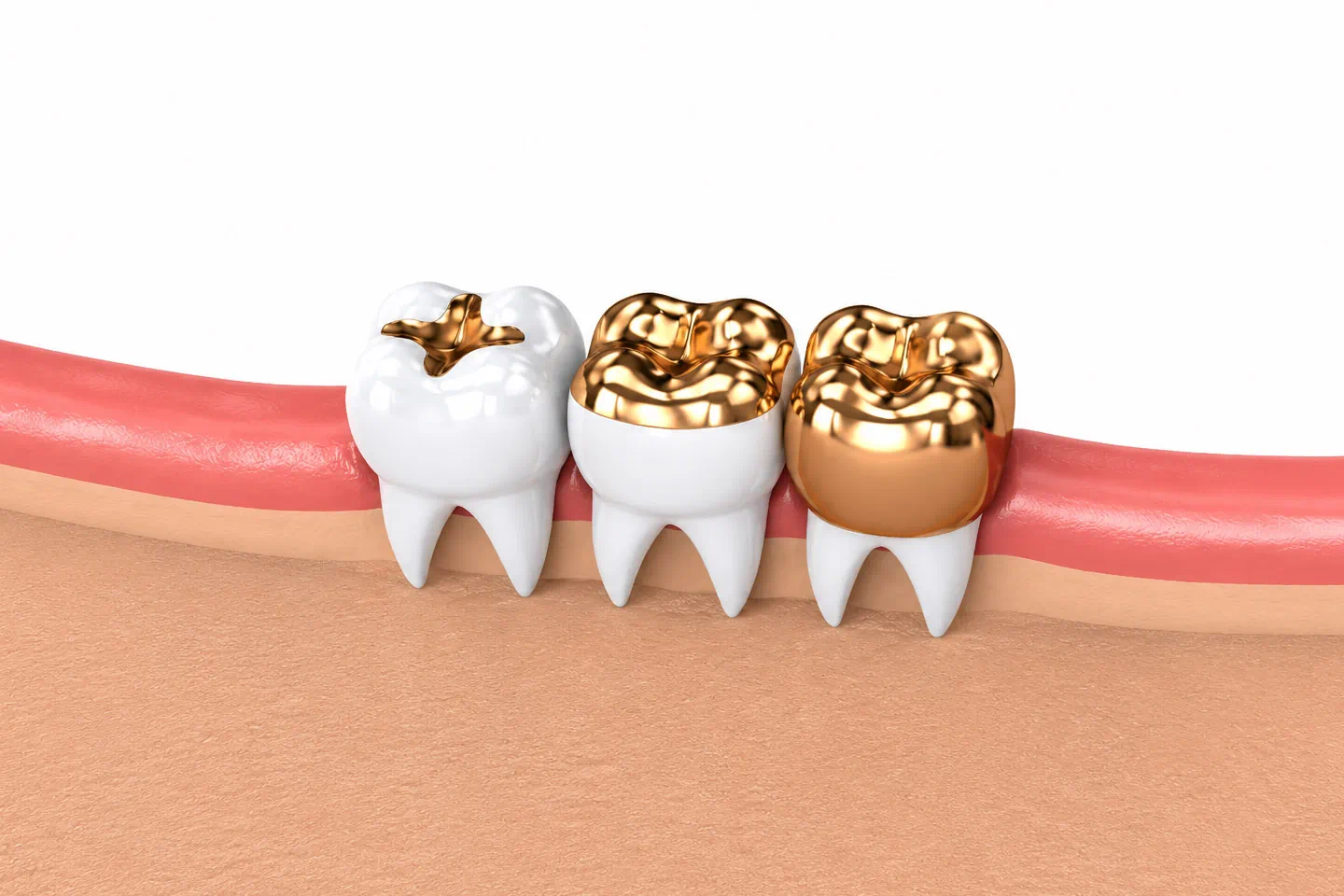
If you have ever sat in a dental chair with a throbbing tooth or a broken filling, hearing your dentist throw around terms like crowns, inlays, or onlays can leave your head spinning. They all fix teeth, so why are there so many options?
The short answer comes down to how much natural tooth you have left. A small cavity needs a very different approach than a tooth split down the side.
If you are currently searching for a dental clinic in Annandale, VA to help fix a troublesome tooth, knowing what these terms actually mean makes your consultation a lot easier. Let us break down how each option works, where they fit best, and how to decide what makes sense for your smile.
Why Restoring a Tooth Matters
Your enamel is incredibly tough, but once decay or an injury gets through it, the inner layers of your tooth become vulnerable. Leaving a compromised tooth alone usually leads to worse problems down the road, like deeper infections or fractures that cannot be saved.
When dentists repair a tooth, the goal is always to keep as much of your natural enamel intact as possible while making sure the tooth can handle daily chewing. Depending on the size of the damage, your dentist will pick the mildest fix that still gives the tooth long-term support.
Standard Dental Fillings: Fast Fixes for Small Cavities
Fillings are the most familiar fix out there, and for good reason. They are quick, reliable, and work great when a cavity is caught early.
To place a filling, your dentist cleans out the decayed spot, cleans the small hole left behind, and packs it with a tooth colored composite material. The material is shaped to fit your natural bite and hardened in seconds with a curing light.
When a Filling Works Best
- Small to Medium Cavities: Decay that stays tucked inside the tooth walls without compromising the corners.
- Minor Surface Chips: Fixing slight wear or tiny chips along the edges.
- Intact Tooth Structure: Situations where most of your natural tooth remains completely healthy and strong.
Since fillings rely on the surrounding tooth walls to hold them in place, they only work well when those walls are still sturdy. If too much enamel is missing, a standard filling can actually cause the remaining tooth to crack under heavy pressure.
Dental Crowns: Total Coverage for Heavily Damaged Teeth
On the opposite side of the spectrum sits the dental crown. You might have heard people call them "caps," which describes them pretty well. A crown sits over the entire visible part of your tooth, all the way down to your gumline.
Crowns are reserved for teeth that are in rough shape. If a tooth has a massive cavity, a deep crack, or has had a root canal, a filling simply will not give it enough strength to chew food safely.
When a Crown Is Necessary
- Severe Decay: When a significant amount of the tooth's structure has been lost.
- Cracked or Split Teeth: Holding together pieces of a tooth that might otherwise break apart.
- Post Root Canal Care: Protecting a tooth after its nerve tissue has been removed, which can leave the remaining structure more susceptible to fracture over time.
- Supporting Dental Bridges: Acting as solid anchor points on either side of a missing tooth.
Getting a crown takes a bit more preparation. Your dentist will gently reshape the natural tooth so the crown can slip over it without feeling bulky. An impression or digital scan is then sent off so a custom cap can be crafted to match your bite.
Inlays and Onlays: The Conservative Middle Ground
What if your tooth has too much damage for a quick filling, but you still have plenty of healthy enamel that you do not want to grind away for a full crown? That is where inlays and onlays shine. Many dentists call them "partial crowns."
Unlike fillings, which are packed into your tooth while soft and hardened on the spot, inlays and onlays are custom crafted outside your mouth from high strength porcelain or composite. Once ready, they are bonded securely onto your tooth.
What Is a Dental Inlay?
Think of an inlay as an ultra durable, custom fitted filling. It fits right into the natural grooves of your back teeth, inside the raised points known as cusps. Because it is milled from a single solid block of ceramic, it handles heavy biting forces much better than a standard poured filling.
What Is an Onlay?
An onlay goes a step further. It covers the inner surface of the tooth plus one or more of those raised chewing points (cusps). If a crack or deep cavity weakens the actual point you chew on, an onlay covers that point to protect it from breaking, all without forcing you to cut down the entire tooth for a crown.
Comparing Your Options
Here is how these four treatments stack up when you look at how much tooth they save and how they are made:
- Dental Fillings: Great for small interior spots. Your dentist only removes the decayed part, applies soft resin directly, and finishes everything in a single visit.
- Dental Inlays: Ideal for larger interior cavities that need stronger materials. The tooth is gently prepped, and a solid custom piece is made to fit perfectly between the cusps.
- Dental Onlays: Made for teeth with damaged chewing points. They wrap over the weakened cusps, giving you almost as much protection as a crown while keeping far more of your natural enamel.
- Dental Crowns: Used when a tooth needs complete coverage. The tooth is reshaped all around so a durable cap can cover it entirely from the gums up.
How to Know Which Treatment You Need
Choosing the right option comes down to a few practical details that your dentist will check during an exam:
- How Much Healthy Tooth Is Left: Saving natural enamel is always the priority. If your tooth walls are solid, an inlay or onlay lets you keep what nature gave you instead of shaving it down for a crown.
- Biting and Chewing Pressure: Back molars take a beating every time you eat. Larger repairs on these teeth need tough materials like ceramic that will not flex or fracture under stress.
- Fit and Longevity: Custom crafted pieces like inlays, onlays, and crowns offer an exceptionally snug fit along the edges, making it hard for bacteria to slip back underneath over time.
- Overall Value: Finding an affordable dentist in Annandale, VA means balancing upfront costs with long-term results. While inlays, onlays, and crowns cost more initially than a simple filling, picking the right fix early on saves you from bigger repairs later.
Schedule Your Consultation with SmileCare Dental
If you are dealing with a nagging toothache, sensitivity when drinking cold water, or a loose filling that feels off, getting it checked out early keeps simple problems from turning into big ones.
At SmileCare Dental, we focus on straightforward, comfortable care that keeps your smile working properly. If you need a trusted dental office in Annandale, VA, our team is here to walk you through your options and help you pick what works best for your health.
Reach out to our office today to book your appointment and get your smile feeling great again.
Frequently Asked Questions
Q: How do I know if I need an onlay instead of a full crown?
A: Your dentist will check how strong your remaining tooth walls are. If the damage covers a chewing point but the surrounding enamel is healthy, an onlay is usually the better choice because it saves more of your tooth. If the tooth is cracked deep down or heavily broken, a crown is needed to cover the whole thing.
Q: Will an inlay or onlay show when I open my mouth?
A: Most inlays and onlays are crafted from high grade dental ceramic that matches your natural tooth shade. Once bonded into place, they blend in so smoothly that most people will never notice you had work done.
Q: How many years can I expect a crown or onlay to last?
A: With regular brushing, daily flossing, and routine dental cleanings, custom restorations like crowns, inlays, and onlays can last ten to fifteen years or longer, depending on various factors. How long yours lasts mostly depends on your daily home care and whether you grind your teeth at night.
Q: Does getting an inlay or onlay hurt?
A: Your dentist will completely numb the area with local anesthetic before starting, so you should not feel pain during the procedure. It is normal to have a bit of mild temperature sensitivity for a couple of days afterward as the nerve settles down, but that quickly fades.


Office Hours
Monday–Thursday: 7:00 AM - 4:00 PM
Friday: 8:00 AM - 4:00 PM
Saturday: By Appointments Only
Sunday: Closed


SmileCare Dental provides complete family, cosmetic, and implant dentistry in Annandale, VA, using advanced technology and personalized care to ensure healthy, confident smiles for every patient.


© 2025 SmileCare Dental | All Rights Reserved | Privacy Policy | Digital Marketing by Remedo