What Happens If You Delay in Getting a Dental Crown?
Putting off a dental appointment is easy to do. Life gets busy. The tooth doesn't hurt every day, and a crown seems like something that can wait until next month. But when a dentist tells you that you need one, that recommendation usually isn't about convenience. It's about protecting a tooth that's already been weakened, whether by decay, a crack, a large filling, or a root canal. So it helps to understand what actually happens, step by step, when a crown gets pushed back. That way you're making an actual decision about your timeline, not just avoiding one.
Why Does a Tooth Need a Crown in the First Place?
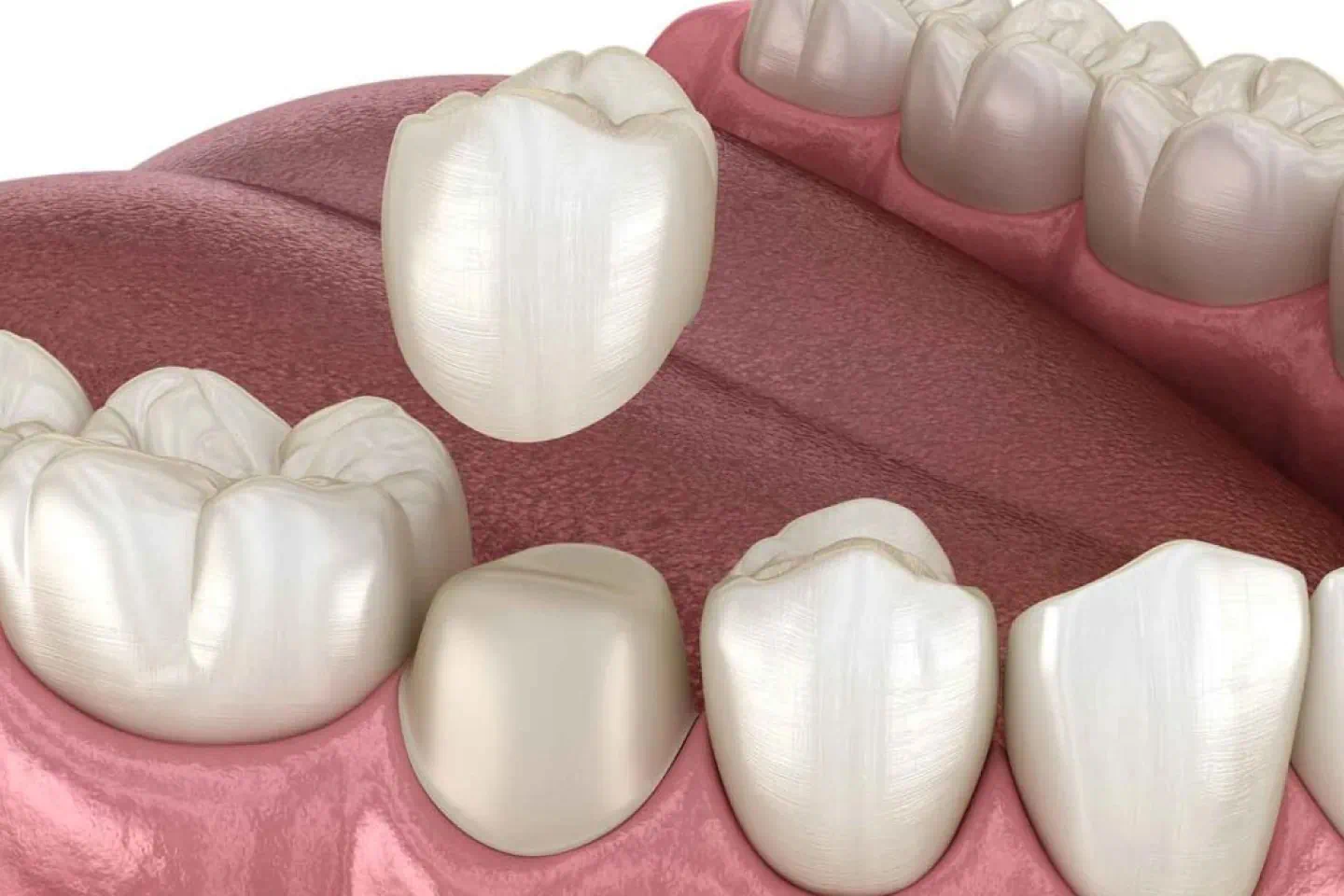
Before we get into what delay does, let's cover why the crown was recommended at all. A dental crown is a cap that covers a damaged tooth, restoring its shape, strength, and function. Dentists typically recommend one when a tooth has a large cavity that a filling can't support, a crack that threatens to spread, or after a root canal (treated teeth tend to get brittle over time).
At this stage, the tooth is usually compromised, not yet failed. That distinction matters. It's the whole reason time works against you here instead of for you.
What Happens in the First Few Weeks of Delay?
Early on, the changes are subtle. The tooth might feel a little sensitive to hot or cold, or chewing on that side might feel slightly off. Some people feel nothing unusual at all. Which, honestly, is exactly what makes delaying a crown so tempting.
The Tooth Is Still Weakening Even Without Symptoms
Underneath the surface, the exposed or thinned tooth structure keeps flexing under the pressure of chewing. Without the reinforcement a crown provides, small stress cracks start forming. Slowly. There's rarely a clear signal telling you damage is piling up.
What Happens After a Few Months Without a Crown?
This is usually when people start noticing symptoms that stick around. Sensitivity becomes more frequent, chewing feels uncomfortable instead of just occasionally odd, and sometimes a piece of the tooth chips off entirely.
- Increased sensitivity to temperature or pressure
- Visible cracks or rough edges on the tooth
- Food consistently getting trapped in the same spot
- Mild, intermittent pain when biting down
At this stage, the tooth is often still restorable with a crown, but the margin for error gets narrower. A tooth that could've been capped with a straightforward procedure earlier may now need a build-up first, since more of the natural structure has broken away.
What Happens If the Delay Continues for a Year or More?
This is where things get serious. A tooth that needed a crown to prevent breakdown, and didn't get one, is now open to complications that go well beyond a simple restoration.
The Tooth Can Fracture Below the Gumline
One of the tougher outcomes is a fracture that extends below the gumline. Once a crack reaches that point, a crown may not be enough to save the tooth. Depending on how bad it is, extraction might be the only option left.
Decay or Infection Can Reach the Nerve
If the original issue was decay, waiting gives bacteria more time to work their way to the inner pulp. That can lead to infection, which often means root canal therapy on top of the crown, or in advanced cases, extraction. What might've been one appointment turns into a whole treatment plan.
Surrounding Teeth Can Be Affected
A damaged or fractured tooth changes how you bite and chew, usually without you noticing. You start shifting chewing to the opposite side without thinking about it, which puts uneven pressure on other teeth over time. That can lead to wear, sensitivity, or jaw discomfort that had nothing to do with the original problem.
Does Delaying a Crown Always Lead to Tooth Loss?
Not necessarily. Worth being clear about that. Plenty of people delay treatment for a few weeks or months and still end up with a successful crown placement, no complications, no drama. The outcome depends on how much damage there already was, where the tooth sits in your mouth, and how it holds up to daily use in the meantime.
That said, dentists can't predict exactly how fast a compromised tooth will break down. Some hold on for a surprisingly long time. Others fracture out of nowhere while biting into something as harmless as bread. That unpredictability is exactly why waiting carries risk, even when the risk doesn't show up every time.
What Does the Crown Process Look Like If You Come in Now?
If you're weighing whether to schedule this, here's what the process actually looks like. Getting a dental crown typically takes two visits.
- First visit: the tooth is examined, prepared, and shaped, then a mold or digital scan is taken
- A temporary crown is placed to protect the tooth while the permanent one is made
- Second visit: the permanent crown is checked for fit and bite alignment, then cemented in place
The earlier this starts after damage is first noticed, the more likely it stays this simple. Wait too long, and extra steps like a root canal or bone grafting after an extraction start becoming part of the plan.
Ready to Get Started?
Look, if you've been putting off a recommended crown, or you're noticing new sensitivity, cracking, or discomfort in a tooth, get it looked at sooner rather than later. SmileCare Dental works with patients throughout Annandale, VA, to evaluate damaged teeth and figure out whether a crown, or something else, is the right next step. As a family dentist in Annandale, VA, SmileCare Dental sees this exact situation all the time and can walk you through what your tooth actually needs. No pressure, no guesswork. If you're looking into dental crowns in Annandale, VA, reach out to SmileCare Dental to schedule an evaluation and get a clear picture of where things stand.
FAQs About Delaying a Dental Crown
Q: How long can I safely wait before getting a dental crown?
A: There's no fixed timeline that fits everyone. It depends on how compromised the tooth already is. Some people can wait a few weeks with no issue at all, while others risk fracture within days. A dentist can give you a real estimate after an exam.
Q: Is it an emergency if my dentist says I need a crown?
A: Not usually an emergency in the same-day-care sense, but it's not optional either. Scheduling within a reasonable window, generally a few weeks, helps you dodge the complications that come with sitting on it too long.
Q: What if my tooth doesn't hurt? Do I still need the crown?
A: Yes. Pain isn't a reliable measure of how much damage has already happened. A lot of teeth that eventually crack or fracture badly showed little to no discomfort right up until they broke.
Q: Can a temporary crown be worn longer than usual if I need more time?
A: Temporary crowns are built for short-term use, not for standing up to normal chewing forces over the long haul. Wear one longer than recommended and you're increasing the risk of it cracking, coming loose, or letting bacteria sneak in underneath.
Q: Will delaying a crown always cost more in the long run?
A: Not always, but it's a common outcome. When delay leads to extra issues like infection or fracture, treatment tends to expand beyond the crown itself. And that usually means more cost and more time in the chair.


Office Hours
Monday–Thursday: 7:00 AM - 4:00 PM
Friday: 8:00 AM - 4:00 PM
Saturday: By Appointments Only
Sunday: Closed


SmileCare Dental provides complete family, cosmetic, and implant dentistry in Annandale, VA, using advanced technology and personalized care to ensure healthy, confident smiles for every patient.


© 2025 SmileCare Dental | All Rights Reserved | Privacy Policy | Digital Marketing by Remedo